Most people have had a cavity at some point in their lives. In fact, tooth decay is one of the most widespread health conditions in the world. A cavity might seem like a minor inconvenience, but without treatment, it can become a much bigger problem that affects your comfort, health, and wallet.
At Dupont Dental, Dr. Christopher Banks helps Washington, D.C., patients treat cavities early and effectively. He offers solutions to this dental concern to protect your teeth and preserve your smile.
What Is a Cavity?
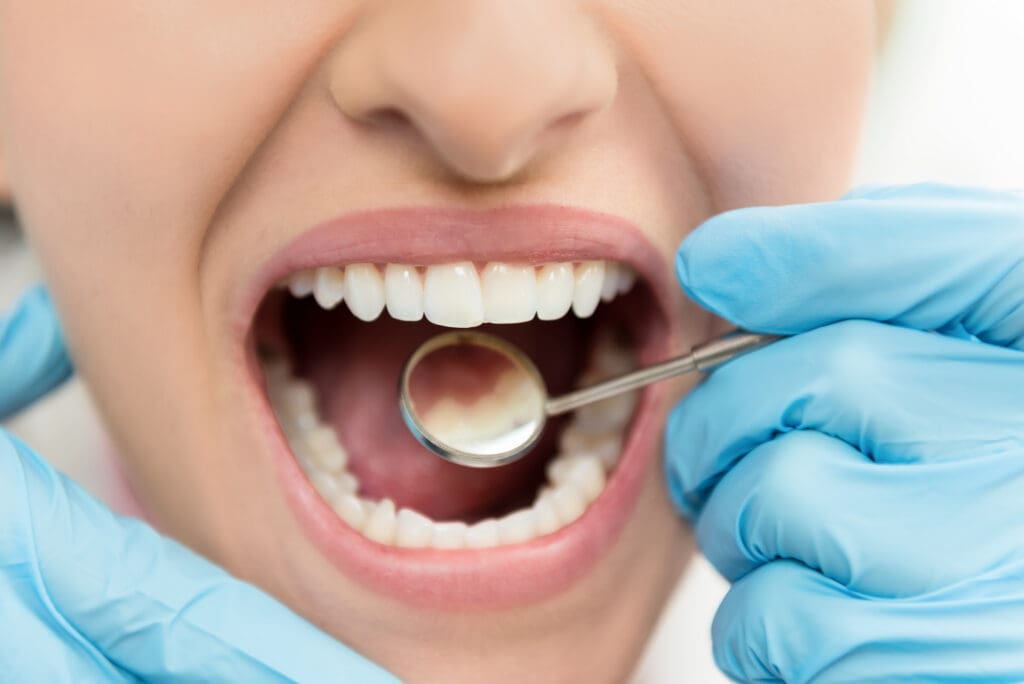
A cavity is a small hole that forms in the hard surface of your tooth. It develops when bacteria in your mouth feed on sugars and starches from food and produce acids that slowly wear away tooth enamel. Over time, this acid erosion creates a pit or opening in the tooth. Left untreated, the decay spreads deeper into the tooth, reaching the inner layers where nerves and blood vessels live.
Cavities don’t always hurt right away. Many people have no idea they have one until a dentist finds it during a routine exam. That is one of the most important reasons to keep up with regular checkups. Catching a cavity early makes treatment simpler, faster, and far less costly.
What Causes Cavities?
Certain habits and conditions make some people more cavity-prone than others. Common causes and risk factors include:
- Frequent snacking or sipping on sugary or acidic drinks
- Poor brushing and flossing habits
- Dry mouth, which reduces the saliva that naturally protects teeth
- Deep grooves in the back teeth that trap food and bacteria
- Not getting enough fluoride
- Worn fillings or dental devices that create spaces where bacteria collect
Understanding your personal risk factors is something Dr. Banks addresses as part of your overall care at Dupont Dental.
Signs You May Have a Cavity
Sometimes cavities have no symptoms at all, especially in the early stages. As decay progresses, you may notice:
- Tooth sensitivity to hot, cold, or sweet foods and drinks
- A toothache or spontaneous pain with no obvious cause
- Visible holes or dark spots on the surface of a tooth
- Pain when biting down
- A rough or uneven texture when you run your tongue over a tooth
If you are experiencing any of these symptoms, you want to schedule an evaluation as soon as possible. The longer decay is left untreated, the more involved the treatment becomes. We welcome you to call Dupont Dental at (202) 946-4720.
How Dr. Banks Treats Cavities in Washington DC
Treatment depends on how far the decay has progressed. At Dupont Dental, Dr. Banks takes a conservative approach whenever possible, aiming to save as much of the natural tooth as he can.
Tooth-Colored Composite Fillings
For most cavities, a tooth-colored composite filling is all that is needed. Dr. Banks removes the decayed portion of the tooth and fills the space with a composite resin material that is matched to the shade of your natural teeth. The result is a restoration that blends in seamlessly and restores full function to the tooth. Unlike older silver fillings, composite fillings bond directly to the tooth structure, which helps preserve more of the healthy tooth.
Crowns for Severe Decay
When decay has damaged a large portion of the tooth, a filling alone may not be enough to restore it. In these cases, Dr. Banks may recommend a dental crown. A crown covers the entire visible portion of the tooth, protecting it from further damage and restoring its shape, strength, and appearance.
Tooth Extractions
In cases where decay has severely compromised the tooth and it cannot be saved, a dental extraction may be the best option to protect your overall oral health. Dr. Banks only recommends extraction when it is truly necessary. If a tooth needs to be removed, he will also discuss replacement options, such as dental implants or bridges, to help keep your smile complete.
FAQs
How do I know if I have a cavity?
Cavities don’t always cause pain, especially in the early stages. Some common signs include tooth sensitivity to hot, cold, or sweet foods, a visible dark spot on a tooth, or a dull ache that comes and goes. The only way to know for sure is to visit a dentist. At Dupont Dental, Dr. Banks checks for cavities during every routine exam, often catching them before they cause any discomfort.
Can a cavity go away on its own?
No. Once a cavity forms, it will not heal without treatment. Tooth enamel cannot repair itself after decay has created a hole. Without treatment, the decay will continue to spread deeper into the tooth, eventually reaching the nerve and causing significant pain. The sooner a cavity is treated, the simpler and less expensive it’ll be to fix.
Does it hurt to treat a cavity?
No. Dr. Banks uses local anesthesia to numb the area before removing the decay, so you should not feel pain during the procedure. Some mild sensitivity in the treated tooth is normal for a day or two afterward. If you have dental anxiety, let us know before your appointment. We are happy to talk through ways to make your visit as comfortable as possible.
Schedule a Cavity Consultation in Washington DC
Whether you’re due for a routine exam or already experiencing tooth pain, don’t put off treatment. Contact Dupont Dental today to schedule an appointment with Dr. Banks. Serving patients throughout Washington DC and the surrounding area, we are here to help you keep your smile healthy for years.