If you have been dealing with frequent headaches, you may have tried everything: over-the-counter pills, water, less caffeine. But nothing seems to help. The problem might not be in your head at all. It might be in your jaw.
At Dupont Dental in Washington, DC, Dr. Christopher Banks sees patients every week who suffer from headaches without realizing the source. His advanced training and experience allow him to identify and treat TMJ-related headaches effectively. Let’s look at how TMJ headaches can affect your daily life and what you can do about them.
What Is a TMJ Headache?
Your temporomandibular joint, or TMJ, is the hinge that connects your jaw to your skull. It is one of the most used joints in your body. You use it every time you talk, chew, or yawn.
When something goes wrong with this joint or the muscles around it, it can cause a TMJ disorder. One of the most common symptoms of a TMJ disorder is headaches.
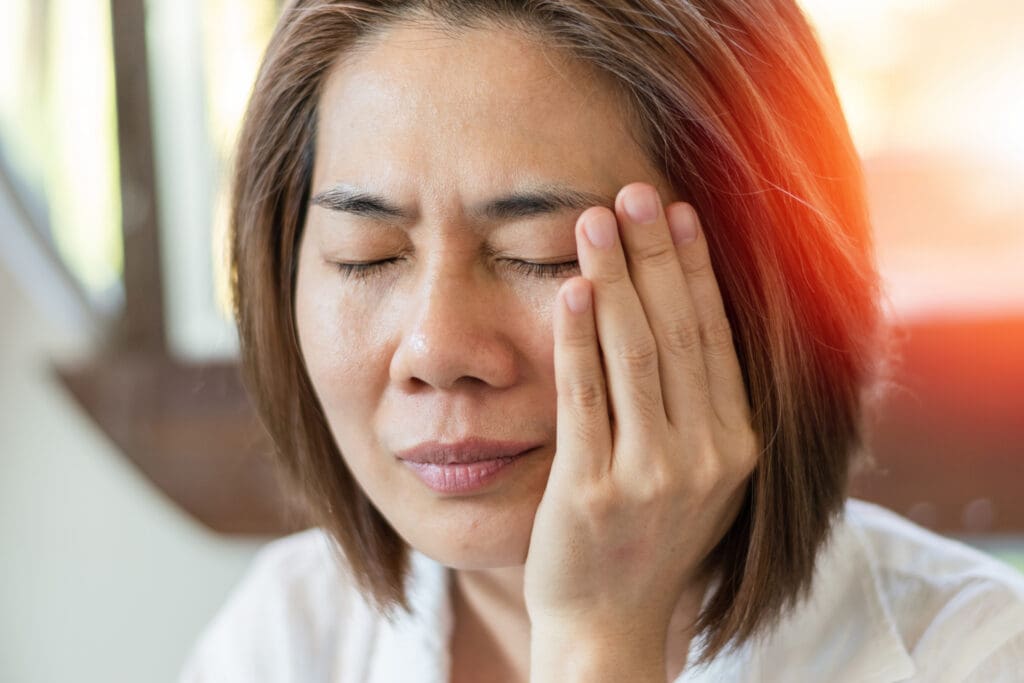
TMJ headaches are caused by muscle strain and tension in your jaw, neck, and shoulders. This tension can radiate upward into your temples, forehead, and behind your eyes. The pain can feel like a tight band around your head or a dull ache that just will not go away.
How TMJ Headaches Disrupt Your Day
TMJ headaches are not just annoying. They can affect nearly every part of your life. Here’s how.
Work and Productivity
When your head is pounding, it’s hard to focus. You might struggle to concentrate on tasks and may find yourself taking more breaks or calling in sick.
Research shows that headaches and migraines lead to millions of lost workdays every year. For people with TMJ-related headaches, the pain can make it difficult to perform even simple tasks. Looking at a computer screen, talking on the phone, or sitting in meetings can all make the pain worse.
Sleep
TMJ headaches often strike in the morning. You might wake up with a sore jaw and a dull headache that lingers throughout the day and makes it hard to get a good night’s rest.
The cycle works both ways. Poor sleep can increase stress, which leads to more teeth grinding, which leads to more headaches. It is a vicious cycle that can leave you feeling exhausted and drained.
Relationships
Chronic pain can strain your relationships. You may be irritable or short-tempered or might cancel plans because you do not feel well. You may not want to socialize because you are tired of explaining why you have another headache.
Migraines affect mental health and relationships. TMJ headaches can do the same. When you are in pain, it is hard to be present with the people you love.
Diet and Eating
TMJ headaches often get worse when you eat. Chewing can strain your jaw muscles, triggering more pain. You might start avoiding foods that require a lot of chewing. Hard breads, chewy meats, and crunchy snacks can become off-limits. This can affect your nutrition and your enjoyment of meals with family and friends.
Mental Health
Living with chronic pain takes a toll on your mental health. Studies show that people with frequent headaches experience a significant reduction in both physical and mental health scores. Depression and anxiety are more common in people with TMJ. You might feel frustrated, helpless, or wonder if you will ever feel better.
Physical Activity
Exercise is good for your health but can make headaches worse. You might avoid the gym, skip your morning run, or pass on activities you used to enjoy. The muscle tension from TMJ disorders can also cause neck and shoulder pain. This can make it uncomfortable to sit, stand, or move around.
Other Symptoms to Watch For
TMJ headaches rarely travel alone. If your headaches are coming from your jaw, you may also notice:
- Jaw pain or tenderness
- Clicking, popping, or grating sounds when you open your mouth
- Difficulty opening your mouth wide
- Ear pain or ringing
- Facial pain
- Sensitive teeth
How Dr. Banks Can Help
Dr. Christopher Banks is a highly skilled dentist with advanced training in cosmetic and restorative dentistry. He is a member of the American Academy of Cosmetic Dentistry and was selected as Chair of its Board of Trustees in 2013.
At Dupont Dental, Dr. Banks uses a comprehensive approach to evaluate how your teeth, bite, jaw muscles, and TMJ work together as a system. He’ll first identify the root cause of your headaches. Then he’ll create treatment plans that address the underlying problem, not just the symptoms.
Treatment Options for TMJ Headaches
TMJ headache treatment in our Washington, DC office depends on the underlying cause. Dr. Banks may recommend:
- Lifestyle changes. Adjusting your diet, managing stress, and improving your posture can reduce jaw strain.
- Custom oral appliances. A night guard is a common TMJ treatment that can protect your teeth from grinding and take pressure off your jaw muscles.
- Jaw exercises. Gentle stretches can improve mobility and reduce muscle tension.
- Pain management. Over-the-counter or prescription medications may help manage symptoms.
Don’t Live with TMJ Headaches
You do not have to accept headaches as a normal part of life. If you have been dealing with persistent headaches, jaw pain, or any of the symptoms above, it’s time to see a specialist. Schedule a consultation online or call Dupont Dental at (202) 946-4720 to treat chronic headaches.
Let’s help you find relief from TMJ headaches and get back to living your life.