Losing a tooth can feel frustrating. Maybe you’ve been hiding your smile in photos. Maybe chewing on one side of your mouth has become your new normal. Whatever the reason, you want a solution that looks natural and lasts.
At Dupont Dental in Washington, DC, Dr. Christopher Banks hears this question often: “What’s the best way to replace a missing tooth?” The short answer? Dental implants. But let’s talk about why they’ve become the gold standard for tooth replacement, and how they stack up against the older option, dental bridges.
The Problem With Leaving a Gap
First, it helps to understand why replacing a missing tooth matters. When a tooth falls out or is extracted, the jawbone underneath no longer receives stimulation from chewing. Over time, that bone starts to shrink.
This can lead to shifting teeth, changes in your face that can make you look older, and hard-to-clean gaps where food gets trapped. So replacing that tooth isn’t just about looks. It’s about keeping your whole mouth healthy.
How Dental Implants Work
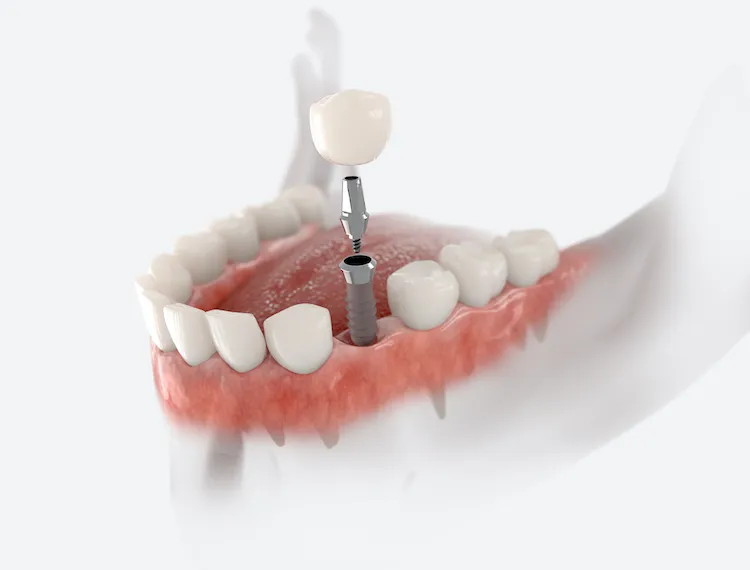
A dental implant is a small titanium post. Dr. Banks surgically places this post into your jawbone. Over several months, the bone fuses to the post. This process is called osseointegration. It is the same way a natural tooth root attaches to your jaw.
Once healed, Dr. Banks attaches a custom-made crown on top. The result is a tooth that feels, looks, and functions like your natural teeth. You can eat, speak, and smile with confidence.
How Bridges Work
A dental bridge is another option for replacing a missing tooth. Bridges use the two teeth next to the gap as anchors. Dr. Banks files those healthy teeth down and caps them with crowns. These crowns hold a fake tooth in the middle.
Bridges have been used for many years. They are a common solution. But they have some significant downsides compared to implants.
How Implants Compare to Traditional Bridges
Dental bridge treatment is another option. Bridges use the two teeth next to the gap as anchors. The dentist files those healthy teeth down and caps them with crowns that hold a fake tooth in the middle.
So what makes implants different?
- An implant does not require touching your healthy neighboring teeth. Those teeth stay exactly as they are. A bridge, on the other hand, requires filing down two perfectly good teeth just to hold the replacement in place.
- An implant preserves your jawbone. Because the titanium post acts like a natural root, chewing stimulates the bone and keeps it strong. A bridge sits on top of the gums and does nothing to stop bone loss. Over time, that can change the shape of your face.
- A well-cared-for dental implant can last twenty years or even a lifetime. A bridge usually needs to be replaced every seven to fifteen years.
- Cleaning is also easier with an implant. You floss and brush just like you would with a natural tooth. With a bridge, you need special floss threaders to clean underneath the fake tooth, which can be frustrating.
Other Benefits You Might Not Expect
Beyond the comparison, patients at Dupont Dental love implants for a few other reasons.
- Confidence. You never have to worry about a denture clicking or slipping when you laugh or eat. Implants stay put.
- No food restrictions. Bridges and dentures limit what you can comfortably eat. With implants, you could bite into an apple or enjoy steak again.
- Protecting your investment. Because implants preserve bone and keep nearby teeth stable, they actually protect the rest of your smile for the long haul.
Am I a Candidate for Dental Implants?
Most adults with good general health are candidates for implants. The most important factor is having enough jawbone to support the post.
If you do not have enough bone, Dr. Banks may recommend a bone graft first. This is a simple procedure that builds up the area. It adds a few months to the timeline but makes implants possible for many patients.
Patients who smoke or have uncontrolled diabetes may face higher risks. A consultation with Dr. Banks will tell you for sure. He will evaluate your specific situation and recommend the best option.
Most adults with good general health are candidates for implants. The most important factor is having enough jawbone to support the post. If you don’t, Dr. Banks may recommend a bone graft first—a simple procedure that builds up the area.
Patients who smoke or have uncontrolled diabetes may face higher risks, but a consultation will tell you for sure.
The Dupont Dental Difference
When you are considering dental implants vs. bridges, the skill of your dentist matters. Dr. Banks has the training and technology to place implants with precision. He uses digital imaging to ensure the perfect placement. This reduces complications and improves outcomes.
As a dentist Washington DC patients trust, Dr. Banks takes time to explain your options. He will never push you into a treatment you do not want. He will give you honest advice and let you make the decision.
We also know that dental visits can feel stressful. Our team prioritizes your comfort—from the friendly faces at the front desk to the modern music and original art in our waiting room.
Ready to Fill the Gap?
If you’re living with a missing tooth in the Washington, DC area, you don’t have to settle for a temporary fix. Dental implants are a long-term investment in your health, your confidence, and your smile.
Call Dupont Dental today at (202) 946-4720 or request a consultation online. Dr. Banks would love to meet you and help you explore your options.