Implant dentistry is often recommended for tooth loss due to its unique benefits in jaw strength and bite support. However, it can be a lengthy and involved process that does require surgery. Before getting dental implants in Washington, DC, it’s important that you understand the process to help reduce anxiety or stress.
At Dupont Dental, Dr. Christopher Banks will sit down to consult with you. He welcomes you to ask any questions and go over your concerns. If you are wondering what to expect when getting dental implants, he will walk you through each step.
What Are Dental Implants?
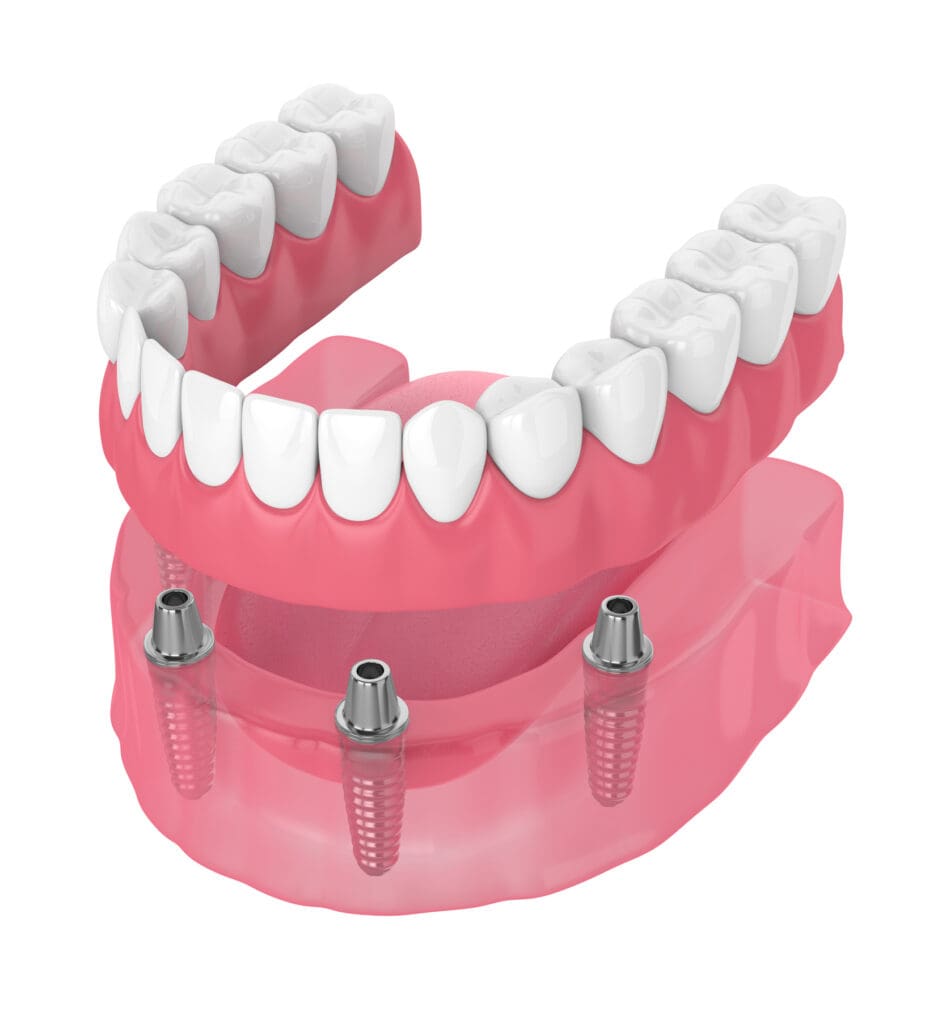
A dental implant is a small titanium post. Dr. Banks surgically places this post into your jawbone where your missing tooth used to be. Over time, your bone fuses with the titanium. This creates a permanent, stable foundation for a replacement tooth.
Unlike dentures or bridges, implants do not rely on neighboring teeth for support. They stand on their own, just like natural roots. This makes them one of the best options for replacing missing teeth.
Step 1: The Consultation and Evaluation
The journey begins with a consultation. Dr. Banks will examine your mouth and take X-rays. This process is crucial to help ensure you are eligible for implants. He will evaluate your jawbone density and gum health. Adequate bone is needed to support the implant.
During this initial phase, it is also a good idea to ask about potential alternatives to implants. If you are not eligible for implants, or decide against surgical treatment, it is important to know what other options are available. Dental bridges and dentures can also help restore your bite after tooth loss.
This is also the time to ask questions. You might ask: How long will the process take? Will I be in pain? What happens if my implant fails? Dr. Banks will answer all your questions honestly and thoroughly.
Step 2: Pre-Treatment
If you have any other oral health conditions, such as gum disease or bone density loss, you may need pre-treatment. Gum disease and bone loss can both cause complications with your implant integration. Without treatment, they could lead to the loss of your implant.
Dr. Banks may recommend periodontal therapy to treat gum disease. He may recommend bone grafting to build up your jawbone. These treatments help ensure you have a successful implant.
Bone grafting adds or rebuilds bone in areas where it is too thin or weak to support an implant. After healing, your jaw will be strong enough for the implant. This step may add time to your overall treatment, but it is essential for long term success.
Step 3: Implant Placement
Once you are cleared for surgery, Dr. Banks will then place the implant post. This small titanium post looks a bit like a screw and is placed into your jaw.
Dr. Banks will numb the area with local anesthesia. You will not feel pain during the procedure. If you feel anxious, we offer sedation options to help you relax.
The procedure typically takes about an hour for a single implant. Most patients say it feels similar to having a tooth removed. You will feel pressure, but no sharp pain.
Step 4: Osseointegration and Healing
After the implant is placed, it will take the next three to six months to integrate with the bone. This process is called osseointegration. It provides a solid foundation for your new tooth.
During this time, you will go about your normal life. The bone grows around the implant, making it a permanent part of your jaw. Dr. Banks will give you a temporary tooth if the implant is in a visible area. That way, you do not have to walk around with a gap in your smile.
You will need to follow Dr. Banks’s care instructions during this phase. Proper care promotes successful osseointegration. He may recommend a soft diet. Avoid putting pressure on the implant site. Regular check ups will monitor your progress.
Step 5: Abutment and Restoration
After the implant has properly integrated and the surgical site has healed, you are ready for the last phase of treatment. A dental restoration completes the implant process and fully restores your bite and smile.
If you have a single dental implant, you will likely need a dental crown. If you have multiple missing teeth, you may need an implant-supported dental bridge or implant-secured denture.
Dr. Banks will place an abutment on the implant. The abutment is a small connector piece. It attaches to the post and holds your new restoration. He will then take impressions to create your custom restoration. The restoration is color matched to your surrounding teeth. It blends in perfectly.
For most patients, getting a dental restoration takes two appointments. Once you receive your final restoration, your implant treatment is complete.
Schedule Your Implant Consultation Today
If you are missing a tooth and want a permanent solution, dental implants could be the right choice for you. Now you know what to expect when getting dental implants.
At Dupont Dental, we offer implant restoration services for many cases of tooth loss. Call us today at (202) 946-4720 to schedule a consultation and learn more.